

black glass mirror
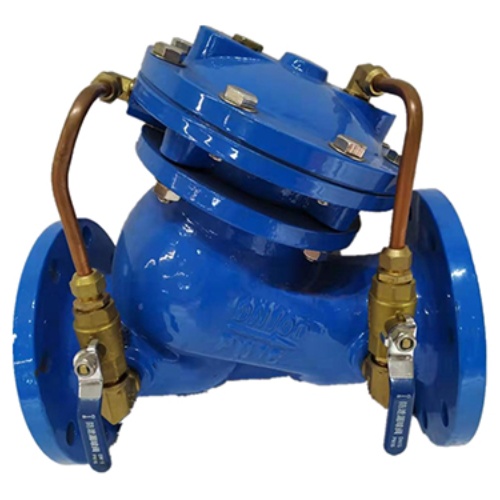
How to Change the Main Water Valve A Step-by-Step Guide Changing the main water valve in your home can seem like a daunting task, but with the right tools and a little guidance, it can be accomplished with ease. This essential component controls the flow of water into your home, and knowing how to replace it can save you from potential flooding or water damage. Here is a comprehensive step-by-step guide on how to change your main water valve safely and efficiently. Understanding the Main Water Valve The main water valve is typically located near where the water line enters your home, often found in the basement, crawlspace, or near the foundation. The valve allows you to shut off the water supply for repairs or emergencies, making it crucial for managing your household's plumbing system. Tools and Materials You'll Need Before you begin, gather the necessary tools and materials - Adjustable wrench or pipe wrench - Screwdriver - Hacksaw (if needed) - Replacement valve (matching your existing size and type) - Plumber’s tape - Towels or sponge (for any spills) - Bucket (to catch any residual water) Step 1 Shut Off the Water Supply This is the most important step. Locate your main water shut-off valve. If you're unsure where it is, turn on a faucet to identify which direction is the supply; then use that knowledge to find the valve. Once you locate it, turn the valve clockwise until it stops. This action will cut off the water flow to your home. Step 2 Drain the Lines Next, open faucets throughout your home to relieve pressure and drain any residual water in the pipes. Start with the highest faucet to allow gravity to help, then work your way down to the lowest . This step will help minimize any mess when you remove the old valve. Step 3 Remove the Old Valve how to change main water valve Using your adjustable wrench, loosen the nuts attaching the old valve to the water supply pipes. Depending on the type of connections (threaded, compression, etc.), you may need to adjust your approach. If the old valve is soldered, you may need a hacksaw to cut it out. Be cautious if you are cutting through metal; the area can become sharp. Step 4 Prepare for Installation Once the old valve is removed, clean the threads of the pipes to ensure there is no debris or old plumber’s tape left. This will help create a proper seal when the new valve is installed. Inspect the condition of the connecting pipes; if they show signs of corrosion or damage, you may need to address those issues before proceeding. Step 5 Install the New Valve Take your replacement valve and wrap the threads with plumber’s tape. This tape helps to create a watertight seal and makes it easier to screw on the new valve. Hand tighten the valve onto the pipes first, then use your wrench to secure it further, but avoid overtightening, which can damage the threads. Step 6 Turn the Water Supply Back On Once the new valve is securely in place, you can turn the main supply back on. Turn the valve counter-clockwise slowly to avoid sudden pressure changes. Check for leaks around the new valve as water begins to flow. Step 7 Test Everything After you have turned the water back on, inspect the installation for any signs of leaks. Open a few faucets in your home to allow water to flow through the plumbing system. This step ensures that everything is functioning correctly and that your new valve is operating as it should. Conclusion Replacing the main water valve in your home may seem challenging, but by following these steps, you can do it on your own, saving money on professional plumber costs. It’s always a good idea to familiarize yourself with your home’s plumbing system, and knowing how to replace your main water valve can empower you to handle future plumbing issues with confidence. If you encounter any complications or are uncertain about any step, don’t hesitate to consult a professional plumber. Your home’s water system deserves the best care and attention!
about
black glass mirror
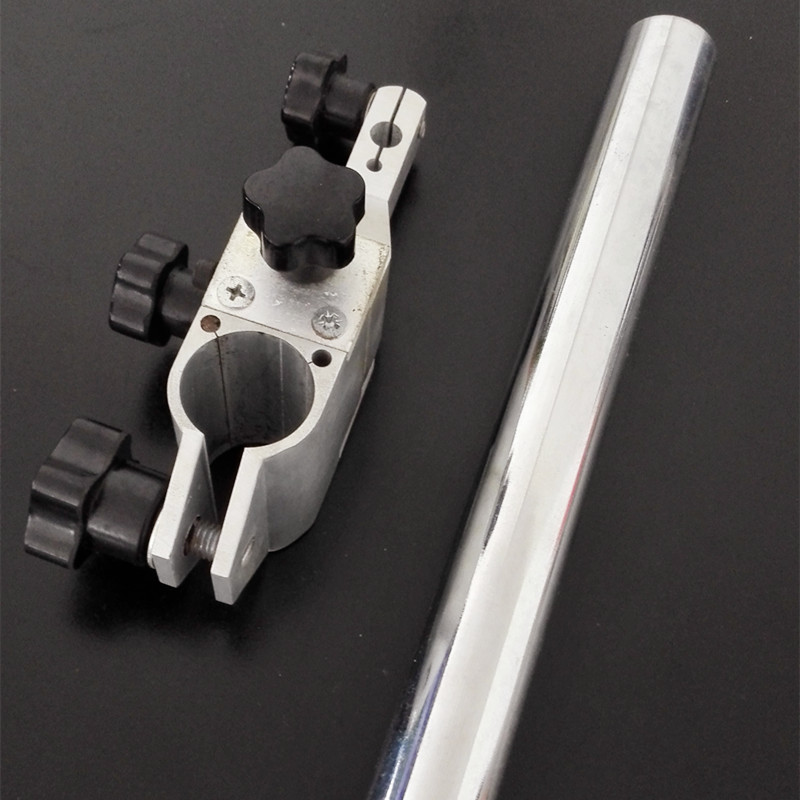
A strut pipe clamp is an essential component in various industrial and construction applications. The 3-inch strut pipe clamp is a specific size that is commonly used to secure pipes and conduit in place. One of the key advantages of using a strut pipe clamp is its versatility. It can be easily mounted on a variety of surfaces, including walls, ceilings, and beams, making it a versatile solution for different installation needs. In addition, the 3-inch size of the clamp is ideal for securing pipes and conduit that are commonly used in plumbing and electrical systems. The durable construction of the strut pipe clamp ensures that it can withstand the weight and pressure of the pipes it is holding in place. Made from high-quality materials such as steel or aluminum, these clamps are designed to provide long-lasting support and stability for pipes and conduit. Another benefit of using a strut pipe clamp is its ease of installation 3 inch strut pipe clamp . With simple and straightforward instructions, it can be quickly mounted onto the desired surface using screws or bolts. This makes it a convenient solution for contractors and DIY enthusiasts alike. Furthermore, the 3-inch size of the strut pipe clamp makes it compatible with a wide range of pipe diameters. This versatility allows for greater flexibility in installation, as the same clamp can be used for different pipe sizes without the need for additional tools or accessories. In conclusion, the 3-inch strut pipe clamp is a versatile and reliable solution for securing pipes and conduit in various applications. Its durable construction, ease of installation, and compatibility with different pipe sizes make it a valuable asset for any project that requires secure pipe mounting. Whether in plumbing, electrical, or HVAC systems, the strut pipe clamp is an essential component that provides stability and support for pipes and conduit.
-

High quality industrial productsagement

High quality industrial products
View Details -

Meet the diverse needs of customers

Meet the diverse needs of customers
View Details -

Strict quality control

Strict quality control
View Details -

Top raw materials

Top raw materials
View Details -

Trusted supplier

Trusted supplier
View Details
Our application


news and information
Valve for Sale Top Quality Guaranteed
Discover the perfect valve for your specific needs with our comprehensive guide to valves for sale.

Versatile L-Shaped Metal Ruler for Precision Measuring and Layout Tasks
The Versatility of the Metal L-Shaped Ruler In the realm of tools and instruments, few items are as
Vanne de retenue à boule de 1% pour une performance optimale du système hydraulique
1 ball check valve .
 English